How to Stay Healthy?
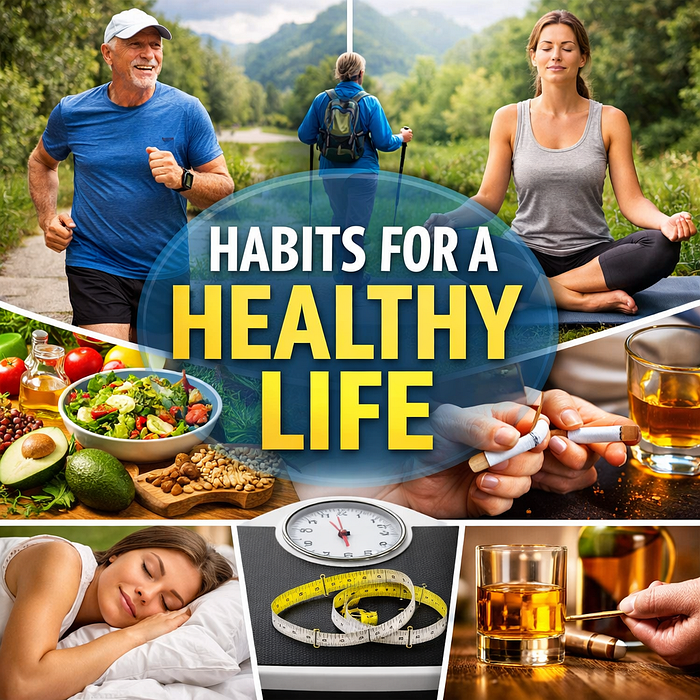
Being and staying healthy is a lifelong journey — it requires adopting good habits and maintaining them consistently. Based on what I have learned and experienced over the past six decades, the following habits can help you become and remain healthy.
1. Be physically active, at least 150–300 minutes a week
2. Meditate for mental health
3. Eat natural, unprocessed and mostly vegetarian food
4. Don’t be obese or overweight
5. Don’t smoke
6. Avoid drinking alcohol or keep it to the minimum
7. Sleep well
Let me talk about the above points in some detail.
Physical Activity
The first point, “Be physically active,” is the most important. When you are active, your body requires more energy and oxygen, prompting your heart to pump more blood. This strengthens the heart, improves circulation, and reduces the risk of heart disease and stroke (which are leading causes of death worldwide). Physical activity also lowers the risk of diabetes, high blood pressure, high cholesterol, mental health disorders, and certain cancers. In addition, it strengthens the immune system, enhances learning and cognitive function, improves bone and joint health, reduces the risk of falls, and promotes better sleep. In simple terms, physical activity is one of the most critical factors for good health.
What does it mean to be “physically active”? Any activity that increases your heart rate by about 50% or more qualifies as meaningful exercise. To keep it simple: moderate to brisk walking, jogging or running, biking, swimming, climbing stairs, and most sports or gym activities are excellent options. Aim for about 60 minutes of activity per day — this alone can significantly improve your long-term health.
Going to a gym is helpful but not essential. In fact, being active outdoors can be even more beneficial. When I run in my neighbourhood — my favourite activity — I enjoy the fresh air and the beauty of parks and gardens. Outdoor exercise also engages the brain, as you naturally stay alert to your surroundings. With small lifestyle adjustments, you can easily accumulate 60 minutes of daily activity: take the stairs instead of the elevator, walk your child to school, get off the bus or subway one stop early and walk the rest of the way, do gardening, and so on.

Photo by Lucas van Oort on Unsplash
You can use a wearable device or mobile app to track your physical activities. Some of the apps I have tried include Runkeeper, Nike Run Club, Strava, and Google Fit. My favourite is Google Fit. Unlike some apps that require you to manually start recording, Google Fit can automatically track many activities on your smartphone with minimal effort. It is available for both iPhone and Android devices.
Meditation
Meditation is like exercise for the mind. It helps reduce stress and anxiety, improves sleep, and promotes a sense of calm — all of which contribute to better overall health. Meditation can be practiced at any time of day; however, many people find it especially beneficial in the morning.

Photo by Melissa Mullin on Unsplash
Food
Food plays a vital role in maintaining good health. Eating the wrong types of food can gradually lead to illness. People’s diets vary based on culture, lifestyle, and availability. Based on extensive reading and personal experience, I believe that for a healthy body:
- Eat primarily vegetarian, natural food with lots of fresh fruits and vegetables.
- Avoid processed food (made in factories), e.g. cookies, cereal, ketchup, granola bars, fried snacks, sweets, cake, instant noodles, ice cream, flavoured yogurt, etc.
- Don’t eat too much.
- Limit the use of sugar and salt in food.
- Avoid or limit trans fats and saturated fats, while increasing healthy fats. Examples of good fats include olive, canola and peanut oil, nuts, avocado, olives, tofu, soya milk and flaxseed. On the other hand, avoid or limit food containing hydrogenated, partially hydrogenated vegetable oil or vegetable shortening, fried food, cakes, pastries, donuts, cookies, etc.
- Drink lots of fluids, preferably water.
Don’t be Obese or Overweight
People who are obese or overweight are at higher risk of developing several health conditions as they age, including high blood pressure, heart disease, high cholesterol, diabetes, joint pain, breathing difficulties, and gallbladder disease. To reduce and maintain weight, you need to be physically active and eat the right kind and amount of food. (See Physical Activity and Food above.)
Be proactive — use a weighing scale and monitor your weight regularly. If you notice a gradual increase (for example, 1 kg or 2 pounds), take corrective action early by adjusting portion sizes, reducing high-calorie foods, and increasing physical activity.
Smoking and Alcohol
It is a well-known fact that smoking causes several diseases, such as lung disease, heart disease, diabetes, chronic obstructive pulmonary disease (COPD), and increases the risk of several other conditions. Similarly, excessive alcohol use can lead to several diseases, including high blood pressure, diabetes, heart disease, stroke, liver disease, digestive problems, some forms of cancer, besides social problems and injuries due to road accidents. If you smoke or consume excessive amounts of alcohol, you need to stop to be healthy.
Sleep
Sleep is essential for the body — arguably even more immediately necessary than food. When you sleep, the body repairs itself. During sleep, the brain processes the events that took place during the day and consolidates and rearranges them in memory. Of course, sleep relaxes the body and mind and prepares them for the next day. Experts believe that an adult needs 7–9 hours of sleep a day, and if you get less than 7 hours of sleep (including naps) in a day, try to increase the sleep duration or see a medical professional, if required.
Making lasting changes to physical activity, diet, and alcohol consumption is not easy — it requires a genuine lifestyle shift. See Lifestyle Changes for Health for more information.
What are your thoughts on this post? Share your comments with us.
Stay ahead of the curve. Subscribe here to get notified whenever I publish a new guide or tool.
Share your comment or feedback. We'll get back to you as soon as we can.