Do you want to live longer?
Then you must love one thing
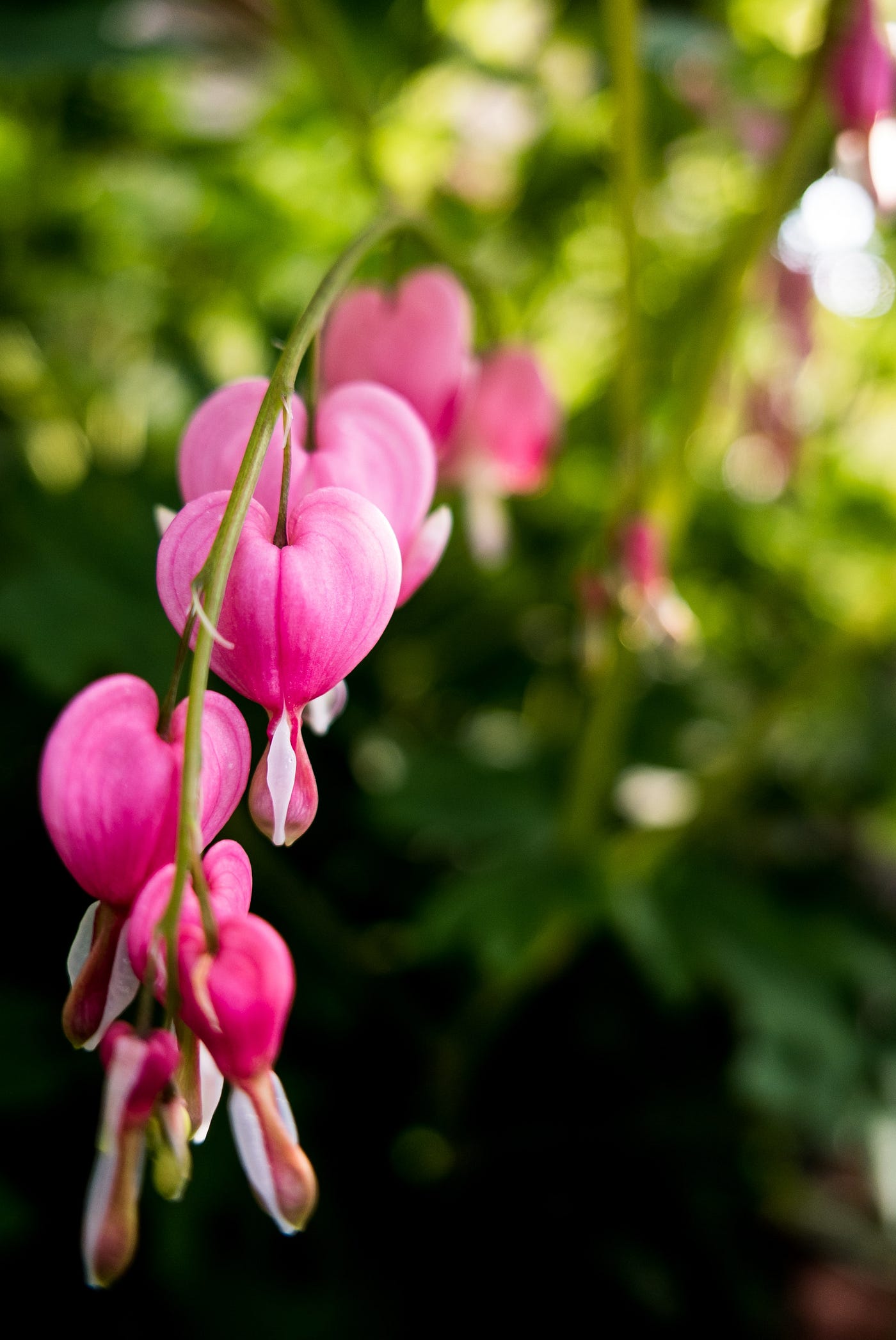
We love almost everything in this world — our children, spouse or partner, parents, dog, car, house, city, country, sports teams, weather, job, food, clothes, vacations, and more. We love these things from the bottom of our hearts; however, we often neglect our own heart — the most vital organ in the body. Many people believe the brain is the most important organ because it controls all bodily functions, and when the brain dies, life ends. While this is true, the heart is equally vital — it pumps blood to every organ, delivering the oxygen and nutrients necessary for them to function. Without blood, no organ, including the brain, can function.
Heart Disease is the Leading Cause of Death
According to a report titled “WHO reveals leading causes of death and disability worldwide: 2000–2019” published by the World Health Organization (WHO), heart disease remained the leading cause of death globally throughout the study period (2000–2019). The WHO reports that deaths from heart disease increased by more than two million since 2000, reaching nearly nine million in 2019.
Love Your Heart to Live a Long Healthy Life
We love our children and go out of the way to help them to grow, develop and educate them so that they can live a good life. If the heart is so important, why don’t we care for it with the same dedication? People generally love their hair, face or nails and take good care of them, however, the heart often gets ignored. Perhaps because the heart never complains — working day and night without pause — we tend to take it for granted. On the contrary, the heart being the lifeline of our body, we should love it the most and take good care of it, so that it continues to provide the oxygen and nutrients to all organs to enable us to live a long and healthy life.
How to Love Your Heart?
Your heart, roughly the size of your closed fist, pumps about 2,000 gallons (9,450 litres) of blood each day. It contains one of the hardest-working muscles in the body and continues to function for as long as you live. The least you can do is avoid overburdening it and strengthen the heart muscle so it can perform its work efficiently.
While the heart pumps oxygenated blood to the rest of the body, the heart muscle itself also requires a rich supply of oxygenated blood. This is delivered through the coronary arteries. Due to poor lifestyle choices, plaque (fatty buildups) starts building up inside the coronary arteries, making it harder for the blood to flow. If a plaque in a coronary artery breaks open, it makes a blood clot, which can further reduce the blood flow to the heart muscle. In some cases, plaque rupture can completely block blood flow, resulting in a heart attack.
Without going into too many technical details of the working of the heart and heart diseases, let us discuss what you can do to reduce the chances of heart disease and live a healthy life.
- Be Physically Active: Countless studies have confirmed that being physically active is the single most important factor that improves cardiovascular health and significantly reduces the risk of heart diseases. The American Heart Association (AHA) and Heart and Stroke Foundation of Canada recommend at least 150 minutes of moderate-intensity physical activity per week. Okay, so what do we need to be “Physically Active”? Any activity that increases the heartbeat by about 50% or more is a good physical activity. Let us keep it less technical — moderate to brisk walking, jogging/running, biking, swimming, stairs climbing, and most sports and Gym activities fall under “Physical Activities”. Being physically active — ideally around 60 minutes a day — goes a long way toward keeping your body, and especially your heart, healthy. While you may go to the gym for physical activities, it is not essential. Instead, it is beneficial if you are active outside in nature. If you pay a little attention around you, you can easily complete your daily 60 minutes of physical activity, e.g. take stairs instead of an elevator if you work or live in a high rise building, walk your child to the school, get down a stop or two before your destination on bus/subway and walk the last mile, do gardening, and so on. Physical activities are not only helpful for your heart, but the entire body, as it helps reduce weight, reduce blood pressure, reduce LDL (bad) cholesterol, increase HDL (good) cholesterol, reduce stress, increase energy levels, improve sleep, etc.
The long-term effect of exercise is good for the heart. According to the paper — Genetics and the heart rate response to exercise, “The long-term response of heart rate to exercise results in favourable changes in chronotropic function, including decreased resting and submaximal heart rate as well as increased heart rate recovery.” Physical activity strengthens the heart, improves circulation, and lowers resting heart rate — meaning the heart does not need to work as hard to pump blood. - Eat Healthy Food: Eating healthy food significantly reduces the risk of heart disease. In simple terms, healthy eating means maintaining a balanced diet — plenty of vegetables and fruits, whole grains, adequate protein, minimal processed foods, limited salt and sugar, and moderate amounts of healthy fats. For more details, see Healthy Eating and “How to Stay Healthy?”.
- Don’t be Overweight or Obese: If you are overweight or obese, reduce your weight to reduce the risk factor of heart disease. And to reduce weight, see point #1 (Be Physically Active) and #2 (Eat Healthy Food) above. If your weight (or BMI — Body Mass Index) is within the normal range, do your best to maintain it, as it is much easier to maintain weight than lose it.
- Quit Smoking: If you smoke, consider quitting it as soon as possible to reduce the risk of developing heart diseases. According to Centres for Disease Control and Prevention (CDC): “Chemicals in cigarette smoke cause the cells that line blood vessels to become swollen and inflamed. This can narrow the blood vessels and can lead to many cardiovascular conditions.”
- Reduce or Stop Drinking: You may have heard that drinking a small amount of alcohol (such as one drink per day) is good for the heart; however, current scientific evidence does not support drinking alcohol for heart health. While a small amount of alcohol may not be bad for your heart, cardiologists do not recommend drinking to improve the health of your heart. Of course, there is no doubt that heavy drinking, particularly in one session, increases the risk of developing heart diseases, besides other diseases, like liver disease, stroke, high blood pressure, digestive problems and weakening of the immune system.
- Reduce Stress: Living a completely stress-free life is difficult in today’s world, yet numerous studies confirm that chronic stress increases the risk of heart disease. Stress may affect your heart directly by increasing the heart rate or blood pressure, or indirectly through bad health behaviours, such as lack of physical activity, overeating/under-eating, unhealthy diet, smoking, drinking, etc., caused by stress. If you have stress, particularly chronic stress, please take corrective actions as soon as possible, and don’t hesitate to take professional help. (See Meditation in How to stay Healthy?)
- Manage Diabetes: If you have diabetes, keep it under control as high sugar levels in the blood can damage arteries that supply blood to the heart, thus increasing the risk of heart attack.
- Keep Blood Pressure and Cholesterol Level in Control: Keep your blood pressure and cholesterol levels under control, as high blood pressure and increased cholesterol levels significantly increase the risk factors for heart disease. Get cholesterol levels and blood pressure checked on a regular basis by your physician.
- Get a Regular Heart Check: Visit your family physician on an annual or biannual basis to get your heart checked to detect heart diseases before it is too late. Your physician may recommend a blood test, ECG (electrocardiogram), Heart Stress Test or other tests to detect the possibility of heart disease. This is important as heart diseases may develop slowly without causing any visible signs or pain.
Conclusion
Your heart works tirelessly, every second of your life, to supply oxygen and nutrients to every organ in your body. Caring for your heart is not optional — it is essential for a long, healthy, and fulfilling life.
Medical Disclaimer: This article is intended for informational and educational purposes only and does not constitute medical advice. It is not a substitute for professional diagnosis, treatment, or medical care. Always consult your physician or a qualified healthcare provider regarding any questions about your health.
What are your thoughts on this post? Share your comments with us.
Stay ahead of the curve. Subscribe here to get notified whenever I publish a new guide or tool.
Share your comment or feedback. We'll get back to you as soon as we can.